Prime Highlights-
- The African Development Bank Group signs a $66 million financing deal for the first phase of Egypt’s Dandara solar and battery storage project.
- The plant will sell power exclusively to EgyptAlum under a 25-year agreement, giving Africa’s major aluminium producer clean and reliable electricity.
Key Facts-
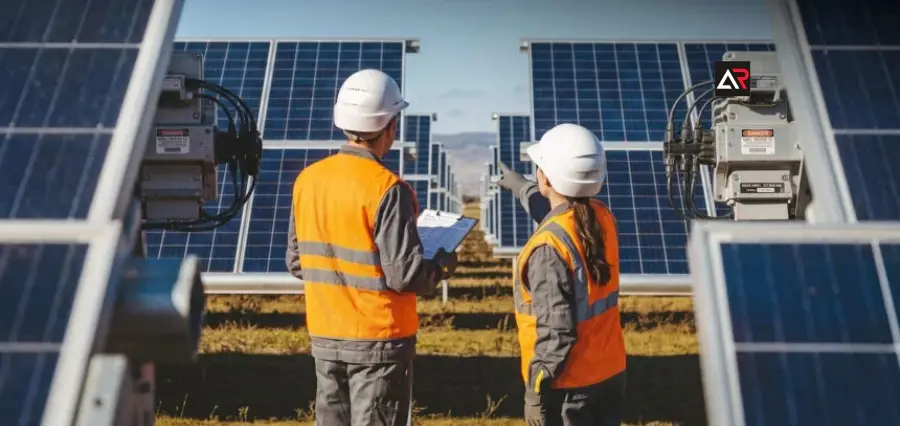
- The project pairs 500 megawatts of solar capacity with a 100-megawatt-hour battery system.
- It will create about 2,500 construction jobs and cut emissions by half a million tonnes.
Background-
The African Development Bank Group has committed $66 million to the first phase of the Dandara project in Egypt. The plant will bring solar power and battery storage to an industry that consumes huge amounts of electricity.
Located in Qena Governorate in the south of the country, the site will host 500 megawatts of solar capacity and a battery system rated at 100 megawatt-hours. Dandara Solar Power S.A.E., a special purpose vehicle owned by Scatec and its partners, signed the agreement with the Bank.
The Aluminium Company of Egypt, known as EgyptAlum, will buy every unit of electricity the plant produces under a 25-year contract. The Egyptian Electricity Transmission Company will deliver that power to the smelter.
The Bank expects the plant to reach full operation at the start of 2028 and produce around 1,373 gigawatt-hours each year. That output should avoid about half a million tonnes of carbon dioxide annually.
The Bank’s Board approved the project in July 2026. The package includes $46 million from the Bank Group’s own resources and $20 million in concessional money from the Clean Technology Fund. A group of development finance institutions will arrange a further $151 million in debt.
Dr Kevin Kariuki, who oversees power, energy, climate and green growth as a Vice President at the Bank, said that adding batteries to solar plants helps factories cut their carbon footprint while keeping costs down and staying competitive. He pointed to pressure on African exporters from the European Union’s Carbon Border Adjustment Mechanism.
About 2,500 workers will build the plant, and 23 permanent roles will follow. The Bank wants women and young people to benefit from these jobs.