
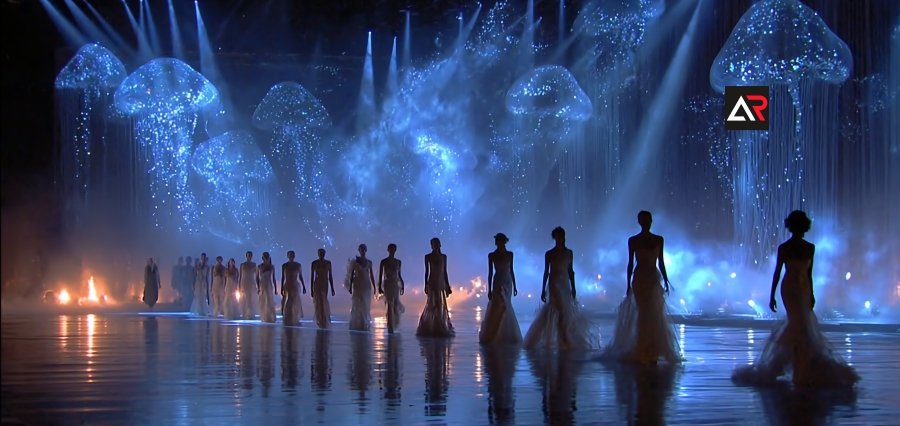
Shaping Event Standards
Events have always been about bringing people together. But somewhere along the way, simply gathering in a room stopped being enough. Today’s audiences walk in with expectations shaped by everything they have ever attended, scrolled past, or heard about. The pressure on those who plan and execute events has never been higher, and the gap between a forgettable gathering and a truly memorable one has never been more visible.
What fills that gap, more often than not, is the quality of thought and effort that goes into how an event is built from the ground up. Not just the venue or the guest list, but every layer of the experience, the atmosphere, the flow, the feeling that lingers after everyone has gone home.
The article shows how creative event production helps create engaging events through good planning, understanding the audience, and smooth execution that people remember.
More Than Decorations and Logistics
There is a common misunderstanding that production is simply about making things look good. In reality, it goes much deeper. Production shapes how people move through a space, how they feel during key moments, and whether the event’s central message actually lands. It is the invisible hand behind everything that feels effortless.
When production is handled well, guests rarely notice it. They just feel comfortable, engaged, and present. When it is handled poorly, even the best speakers or entertainment cannot fully rescue the experience. The structure underneath either supports the whole or lets it quietly fall apart.
When an event feels truly alive, it is rarely by accident. Behind every seamless moment is a layer of considered, deliberate work that most guests will never see, and that is exactly the point.
Setting a New Bar for Audiences
Audiences today have been to more events, watched more live experiences online, and consumed more content about what is possible than any generation before them. Their internal benchmark for what a good event feels like keeps rising, not because they are hard to please, but because they have seen what thoughtful execution looks like.
This shift has pushed the entire industry forward. Planners who once relied on a reliable formula now find themselves rethinking their approach more often. The question is no longer just “did the event run on time?” but “did people feel something?” That is a much harder target to hit, and it requires a fundamentally different way of thinking about what production is for.
The Human Side of Production
Creative event production is about understanding people. It asks: what do guests need to feel safe, curious, excited, or moved? What order of experiences will build toward a peak moment rather than front-loading everything and fading out? How does lighting shift the mood from energetic to intimate without anyone quite knowing why?
These are human questions as much as technical ones. The best producers are not just skilled with equipment and logistics; they are students of behavior. They know that a small, unexpected detail early in an event can prime guests to be more open and attentive for everything that follows. They know that transitions matter as much as main moments, and that the end of an event shapes how the whole thing is remembered.
Why Standards Keep Rising
One of the quieter effects of strong creative event production becoming more common is that it raises the floor for everyone. When guests experience an event that handles every detail with care, they carry that standard into the next event they attend. This creates a kind of upward pressure across the industry that benefits everyone in the long run.
Planners and organizers who invest in thoughtful production find that their events generate stronger word-of-mouth, better attendance over time, and a reputation that is genuinely difficult to build any other way. Quality becomes its own form of marketing, not because it is flashy, but because it is felt.
Collaboration at the Core
One thing that distinguishes the events that stand out from those that merely take place is the quality of collaboration behind them. Great production does not happen in isolation. It grows out of close, honest conversations between organizers, production teams, venues, and sometimes the guests themselves.
When everyone involved understands not just what needs to happen, but why it matters and who it is for, the results shift considerably. Decisions get made with more clarity. Problems get solved more quickly. And the experience that ultimately reaches the audience has a coherence to it that is very hard to fake.
Conclusion
The events industry will keep evolving. New tools, new formats, and new audience expectations will continue to reshape what is possible and what is expected. But the underlying principle is unlikely to change: people come to events to feel something real, and the best creative event production exists to make that feeling possible.
As the bar continues to rise, the most successful events will be those built on a genuine understanding of the audience, a commitment to craft, and the kind of collaborative care that shows up not in any single dramatic moment, but in the quiet consistency of every small decision made well. That is, ultimately, what sets modern events apart, not spectacle for its own sake, but the thoughtful, human work of building experiences worth remembering.