
A fresh wave of interest now surrounds how we power our world. Lately, people keep asking – what exactly is green hydrogen? With sectors aiming to cut emissions, getting a handle on this fuel matters more than ever – for leaders, companies, even everyday folks. At the same time, talks comparing blue hydrogen to its greener cousin are heating up; queries such as What counts as blue hydrogen? and How do they differ show up nearly everywhere energy futures come up.
One reason people talk about hydrogen is because it moves energy around well. Still, making it leaves traces on nature – depends entirely on the method. For that matter, learning what counts as green hydrogen matters a lot these days. When you line up blue against green, patterns start showing in pollution levels and long-term balance. Before anything else, pin down what lies behind green hydrogen, follow by asking what blue actually means, then connect the gaps between them.
What Is Green Hydrogen and How Is It Produced?
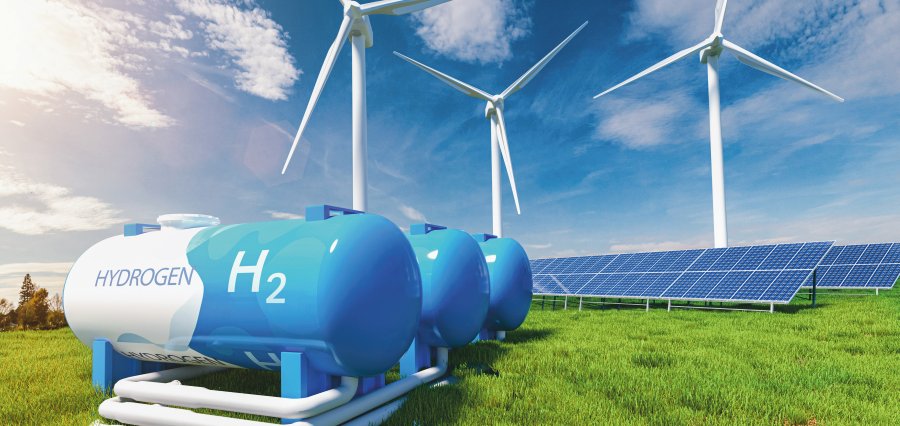
Start here: what counts as green hydrogen? It’s made by splitting water into hydrogen and oxygen, thanks to electricity pulled straight from sun or wind. Picture this – the method behind it relies on electrolysis, nothing more. The key detail sits in the source of power; only renewables qualify. That means zero fossil fuels sneak into the mix. Because of that, almost no carbon shows up during creation. So when someone asks about green hydrogen, point them to clean energy doing the heavy lifting.
Green hydrogen? It’s made using renewable energy to split water into oxygen and hydrogen. Because wind or solar powers that splitting, the air stays clean – no carbon released. Think of it powering trucks, ships, even factories melting iron ore. That kind of fuel steps in where batteries fall short. Cleaner air begins here, without relying on fossil fuels.
Green hydrogen grabs attention because nations push harder on climate promises. Pushing toward zero emissions, governments now fund green hydrogen efforts at large scale. Blue against green – the way each is made sets them apart clearly. Looking into differences means asking too about blue hydrogen itself. Emissions and long-term impact shape how these two stack up differently.
What Is Blue Hydrogen? Exploring the Alternative
Starting off with green hydrogen brings up another question – what about blue? Here, natural gas goes through steam methane reforming to make it. Hydrogen gets pulled out while carbon dioxide shows up as leftover stuff. The catch? Carbon capture steps in, grabbing those emissions before they escape. Stored underground, the CO2 stays out of the air we breathe.
Here’s how it works. Hydrogen labeled blue comes from fossil fuels, yet uses technology that traps much of the carbon released during production. One key difference when looking at blue versus green versions shows up in where they get their power and what escapes into the air. Natural gas remains the base for blue. Meanwhile, green gets its energy only from sources like wind or sunlight. The split between them becomes clear once you track the origin.
Blue hydrogen explained – suddenly it makes sense how this kind differs from that one. Emissions drop with blue, yet they still linger, never fully gone. Because of this gap, opinions shift, arguments grow, comparisons deepen. Renewable power spreads; attention turns, slowly, toward green hydrogen. Questions rise: Is it truly clean? Can it go all the way?
Blue Hydrogen vs Green Hydrogen: What’s the Difference?
Blue hydrogen versus green hydrogen? That question pops up a lot when talking about today’s energy paths. Folks curious about green hydrogen often find themselves wondering how it stacks up against blue. One kicks off with natural gas, the other with water. Emissions tag along heavily with one, while the second keeps them nearly out of sight. How they’re made shapes everything.
Looking at blue versus green hydrogen, the greener option comes from water and clean electric power, leaving almost nothing behind. On the flip side, what counts as blue hydrogen? That version starts with natural gas but traps most of its carbon. Even so, because it leans on oilfield gases, it cannot claim full cleanliness. While cleaner than old methods, reliance remains on buried fuel sources beneath the ground.
One big part of comparing blue and green hydrogen sits in how well it lasts over time. Green hydrogen points toward an energy future powered only by renewables. Without using oil or gas, this form fits better with worldwide goals to cut emissions. Blue hydrogen? Many view that one as temporary – a stopgap during the shift to stronger clean energy systems.
Price tags shift the conversation too. Right now, making green hydrogen often costs more because clean power and splitting machines stay pricey. Yet every year new tools arrive while solar and wind dip in price, nudging green options closer to matching traditional budgets. Talking about blue against green? Wallet weight swings alongside planet effects. How things add up matters both ways.
Funny thing is, it boils down to how much carbon they leave behind, where they get their stuff, and whether we can keep using them without wrecking things later. One kind tugs less on nature’s leash even though both try to spew less junk than old-school fuel. Thing about green hydrogen? It walks through life with fewer marks on its record.
The Future of Hydrogen: Choosing the Right Path
When countries reshape how they power things, talks about green hydrogen grow louder. Though officials often compare blue against green while planning moves ahead, knowing blue’s role matters too. Yet some specialists insist only green truly fits a future without carbon emissions.
What sets them apart isn’t just about tech – it shapes strategy now. Countries building clean energy systems put weight on green hydrogen for lasting balance. While talk around blue versus green tends to circle quick rollout against cleaner output, one truth stands: blue leans on current gas networks for faster spread, yet green delivers sharper drop in pollution.
Green hydrogen isn’t only a term – it points toward a different kind of energy tomorrow. Knowing what blue hydrogen means helps, especially when set beside its greener counterpart; comparisons like that clarify choices around where money should go. With renewables moving forward fast, green hydrogen may quietly become essential, shifting how factories run, how things move across distances, even how economies stay strong without thick fumes. Difference between them? One leans on gas, the other on sunlight and wind – outcomes aren’t the same.