
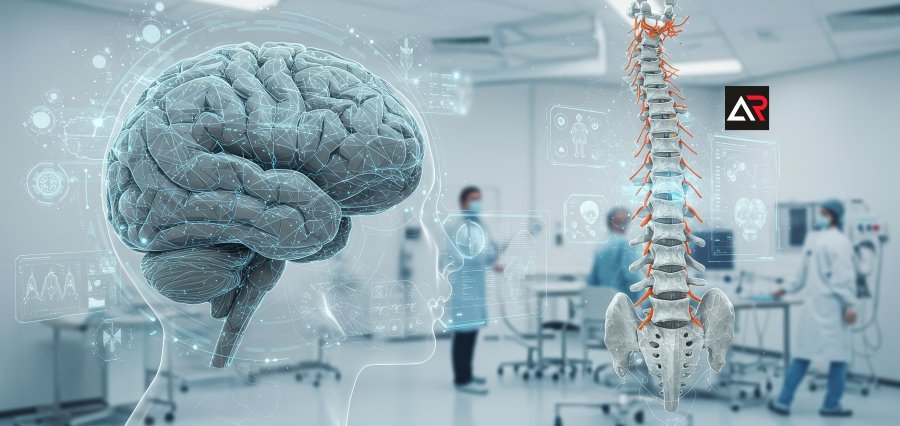
Future of Neuroscience
The brain has long been one of medicine’s greatest mysteries. For most of medical history, conditions affecting the nervous system were understood poorly and treated with limited success. That picture has changed dramatically over recent decades, and the pace of change is accelerating. Innovative neuroscience treatments are reshaping what is possible for patients living with neurological conditions, opening doors that previous generations of clinicians and researchers could only speculate about and delivering real clinical results that are changing lives in measurable ways.
The Challenges Behind Neuroscience Innovation
Understanding the brain is genuinely hard. It is the most complex organ in the human body, operating through billions of connections that interact in ways science is still working to map fully. Treating conditions that arise within that system requires an equally sophisticated understanding of what has gone wrong and why, and for a long time, the tools available for both understanding and intervention simply were not advanced enough to make the kind of progress patients needed.
What has changed is the combination of better imaging technology, deeper biological understanding and the development of innovative neuroscience treatments that can target specific mechanisms within the nervous system with a precision that earlier approaches could not achieve. That combination has compressed what might have taken generations of incremental progress into a much shorter period of meaningful clinical advancement.
Brain Stimulation as a New Frontier in Treatment
One area where innovative neuroscience treatments have made particularly significant strides is in the use of carefully applied stimulation to influence how the brain functions. The ability to modulate neural activity either to reduce harmful patterns or to support functions that have been disrupted has produced meaningful results for patients with conditions ranging from movement disorders to severe depression that has not responded to other treatments.
What makes this area exciting is not just the results achieved so far but the trajectory of development. As the understanding of how stimulation interacts with neural circuits deepens and as the precision of the tools involved continues to improve, the range of conditions addressable through this approach is expected to grow considerably.
Advancing Recovery Through Neurorehabilitation
The brain’s ability to reorganize itself to form new connections and adapt its function in response to experience is one of the most important biological facts underlying modern neurological rehabilitation. Innovative neuroscience treatments in the rehabilitation space are increasingly designed to harness and direct this capacity rather than simply working around the damage that a neurological event has caused.
Therapy approaches that combine targeted activity with biological support for neural adaptation are producing recovery outcomes that exceed what older rehabilitation models achieved. Patients who might previously have reached a recovery plateau relatively early are making gains further into the rehabilitation process than was once expected, a development that has meaningful implications for how recovery programs are designed and how long active rehabilitation support continues.
Technology Driving the Future of Neuroscience
Technology is woven through nearly every significant advance in innovative neuroscience treatments in recent years. Imaging systems that show the brain in greater detail and in real time, computational tools that help researchers and clinicians identify patterns within complex neurological data, and delivery systems that can direct therapeutic agents to precise locations within the nervous system have all contributed to the acceleration of what is achievable.
The relationship between neuroscience and technology is not a one-way street. As treatments advance and produce new clinical questions, those questions drive further technological development in a cycle that keeps moving both fields forward simultaneously.
Changing the Outlook for Neurological Care
The progress represented by innovative neuroscience treatments is not purely a future promise; it is already reaching patients. Conditions that carried a very limited treatment outlook a decade ago now have options that were not available then. The standard of care for several significant neurological conditions has shifted meaningfully, and the pace of that shift suggests further change ahead.
For patients currently navigating neurological diagnoses, this context matters. The treatment landscape they are entering is more capable than the one that existed even recently, and the trajectory is toward continued improvement rather than stagnation.
The Road Ahead
The advances already achieved in innovative neuroscience treatments represent a foundation rather than a ceiling. Research currently underway is exploring mechanisms and therapeutic approaches that have the potential to produce the next generation of clinical breakthroughs addressing conditions that remain inadequately treated and pushing further into the recovery potential that the nervous system holds.
The future of neuroscience medicine is being built right now through the work happening in research settings, clinical trials, and specialist care environments across the country. The patients who will benefit from that work are already waiting, and the field is moving toward them with genuine momentum.