Prime Highlights :
- UAE entities have announced more than $168 billion in African projects since 2017, spanning ports, mining, agriculture and green energy.
- DP World now operates or develops ports, terminals and free zones in 13 African countries, expanding UAE influence over regional trade routes.
Key Facts :
- DP World is expanding Mozambique’s Maputo port and building the Democratic Republic of Congo’s first deep-water port.
- Rising Gulf competition, including Saudi Arabia’s interest in a Cape Town terminal, is reshaping investment in African trade infrastructure.
Background :
The UAE is currently among the most well-known foreign investors in the mining, port, agricultural, and green energy sectors in Africa. UAE businesses are not only focusing on individual projects but also creating infrastructure that would link mines, factories, and farms to the international market.
While other UAE-based organizations seek mining and energy prospects throughout the continent, DP World is building the first deep-water port in the Democratic Republic of the Congo and enlarging Mozambique’s Maputo port. African governments find the investments appealing, since new ports, roads and power projects can lower trade costs and help move goods more efficiently.
According to a recent analysis, since 2017, UAE businesses have announced around $168 billion in projects in Africa, including green energy, ports, mining, and agriculture. The figure represents an announced pipeline rather than money already invested, and some projects have faced delays.
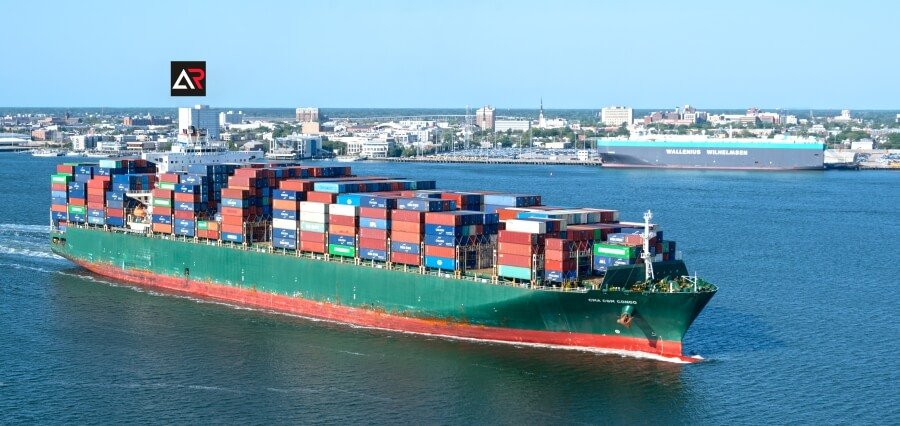
Ports have become central to this expansion. The UAE now has more control over the routes that African imports and commodities take thanks to DP World’s operations or development of ports, inland terminals, and free zones in 13 African nations. Saudi Arabia has also shown interest in a Cape Town terminal, reflecting rising Gulf competition for African trade infrastructure.
Beyond ports, questions remain over mineral and energy investments, particularly whether raw materials will continue leaving countries unprocessed while higher-value activities remain elsewhere. Analysts say governments can negotiate for local processing, training and domestic procurement alongside royalties.
Competition among Gulf nations, China, Europe and the United States gives African governments more leverage to compare investment terms. Officials note that the value captured domestically will depend on the specific terms secured before agreements are finalized.